
Managing Water Security Amidst Escalating Drought Trends
A synthesis of recent regional drought developments and the scaling challenges of water evaporation management in open reservoirs.
By Editorial Team ·
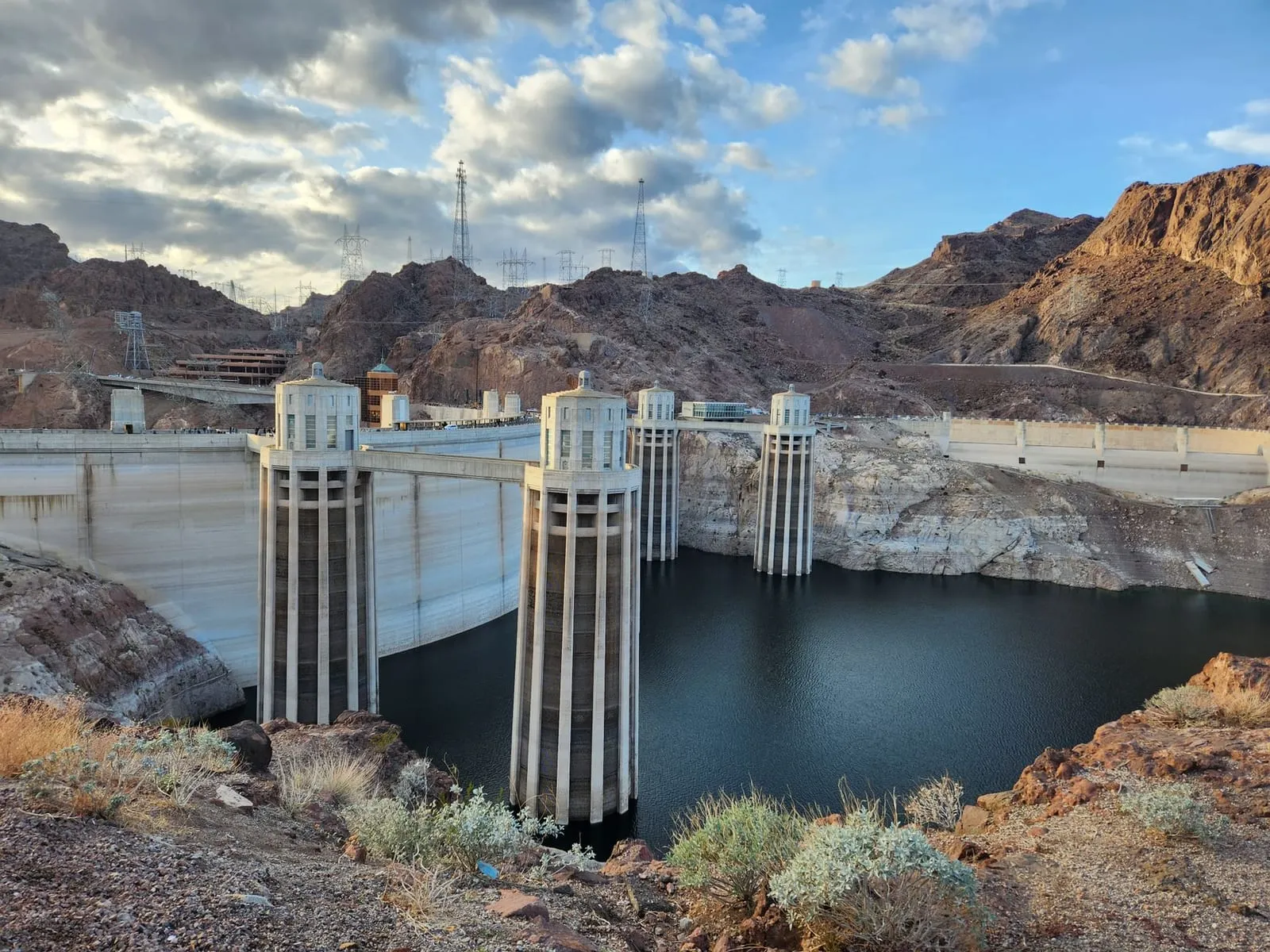
Increasingly unpredictable weather patterns are forcing municipalities and agricultural sectors to confront the massive volume of water lost to the atmosphere every year. As surface reservoirs and large lake systems face heightened pressure, the physics of what is evaporation becomes a primary concern for regional water security.
This week in water
Recent reports highlight a growing tension between declining precipitation and the necessity for water conservation across several regions:
- The Great Lakes lose massive amounts of water to evaporation every year, highlighting the scale of the problem (WorldAtlas).
- While drought conditions in Massachusetts have shown slight improvements, local authorities continue to urge water conservation (Yahoo).
- There is a pressing need for attention toward the region’s water supply as the future looks increasingly dry (bostonglobe.com).
- Researchers at the University of Idaho are investigating ways to expand water supplies to help farmers manage ongoing drought (KMVT).
- In Amherst, water supplies have seen a slight improvement even as drought conditions persist (WSET).
- Despite regional drought, the water supply in Baker City remains stable for the time being (Baker City Herald).
- Denver has implemented specific response protocols to manage the impacts of ongoing drought (City and County of Denver).
- Drought has reduced the water supply in central Arkansas, leading to voluntary conservation efforts (KATV).
The scale of surface water loss
The recent data from the Great Lakes underscores a fundamental challenge in hydrologic management: even the largest freshwater systems are subject to significant mass transfer to the atmosphere. When we look at the mechanisms of water loss, we see that surface area is the primary driver. The more “fetch” or exposed surface a water body has, the higher the potential for evaporation.
For large-scale systems, the losses are not merely local but can affect entire regional water budgets. As noted in recent reports from Massachusetts and Arkansas, even when supplies show “slight improvement,” the underlying trend toward drier futures necessitates a shift in how we manage existing stocks. This makes methods to reduce evaporation a critical area of study for both urban planners and agriculturalists.
The challenge is that reducing evaporation isn’t just about “saving water”; it is about managing the entire water cycle at the local level. If a reservoir loses a significant percentage of its volume to the air, the cost of that loss includes the energy used to pump or treat that water and the lost opportunity for downstream use. Effective management requires understanding how wind, sunlight, and temperature interact with the water surface to drive this transfer.
Comparing mitigation strategies
As regions like Idaho and Arkansas face the reality of drier futures, the debate over how to protect water supplies often centers on different technological and natural approaches. There is no single “best” solution, as each method involves different trade-offs regarding cost, ecology, and maintenance.
One category involves physical barriers that reduce the vapor pressure deficit at the water’s surface. These include:
- Modular floating covers: These are often used in small to mid-sized reservoirs. While field studies suggest they can reduce evaporation by ~65–80% (Mady et al. 2021), higher-performance options can reach much higher rates. For example, Rhombo Hexoshield® can achieve up to 98% reduction (AWTT). However, thin or lightweight tiles may face issues with wind displacement (Lehmann et al. 2019).
- Continuous geomembrane covers: These can offer high-seal performance, potentially reducing evaporation by over 95% (Yao et al. 2021). However, they often require complex maintenance for rainwater management and can limit oxygen exchange.
- Shade balls: These HDPE spheres provide significant coverage (up to ~91% coverage) and can reduce evaporation by ~66–75% (field studies), but they may impact water chemistry or local ecology.
- Biological methods: Using plants like duckweed or azolla can provide coverage, though their effectiveness is highly dependent on the local climate and species.
For large-scale municipal management, such as in the case of Denver or Baker City, the focus often shifts toward storage management and large-scale conservation efforts rather than covering the entire water body.
The economic and ecological trade-offs
As we move toward a “drier future,” the decision-making process for water managers becomes a balancing act. If a city implements voluntary conservation, as seen in Arkansas, they are managing the demand side of the equation. If a farmer uses floating covers, they are managing the supply side.
The choice between these methods depends on several factors that impact long-term viability:
- Scale of the body: Covering a massive lake like the Great Lakes is logistically and economically unfeasible with current technology. Therefore, focus remains on smaller, more controlled reservoirs.
- Water Quality: Many covers block sunlight, which is excellent for suppressing harmful algae blooms by depriving them of light, but it can also limit the oxygenation of the water if not carefully managed.
- Cost vs. Benefit: Chemical monolayers are relatively cheap but are highly sensitive to wind and temperature, requiring frequent reapplication (Craig et al. 2005). In contrast, high-performance modular covers like Hexprotect® AQUA are designed for durability, with wind resistance certifications up to 130 MPH (AWTT).
- Dual-use opportunities: Floating solar (FPV) presents an interesting hybrid approach where the water surface provides both a reduction in evaporation and a platform for renewable energy production.
As the news from various regions suggests, the “slight improvements” in water levels are often temporary. Long-term resilience will likely require a combination of reducing demand through conservation and increasing supply stability through advanced evaporation mitigation. Whether through massive infrastructure shifts or localized technological deployments, the goal remains the same: maximizing the utility of every gallon of available water.
Frequently asked questions
- How much water is lost to evaporation in large lake systems?
- Large bodies like the Great Lakes lose immense volumes of water annually to evaporation, contributing to regional water scarcity (WorldAtlas).
- Can floating covers effectively reduce reservoir evaporation?
- Modular floating covers can achieve reduction rates of approximately 65–80% in field studies (Mady et al. 2021).