
Addressing Global Water Shortages Through Evaporation Management
As droughts persist from the Netherlands to North Carolina, understanding how to mitigate evaporation becomes critical for water security.
By Editorial Team ·
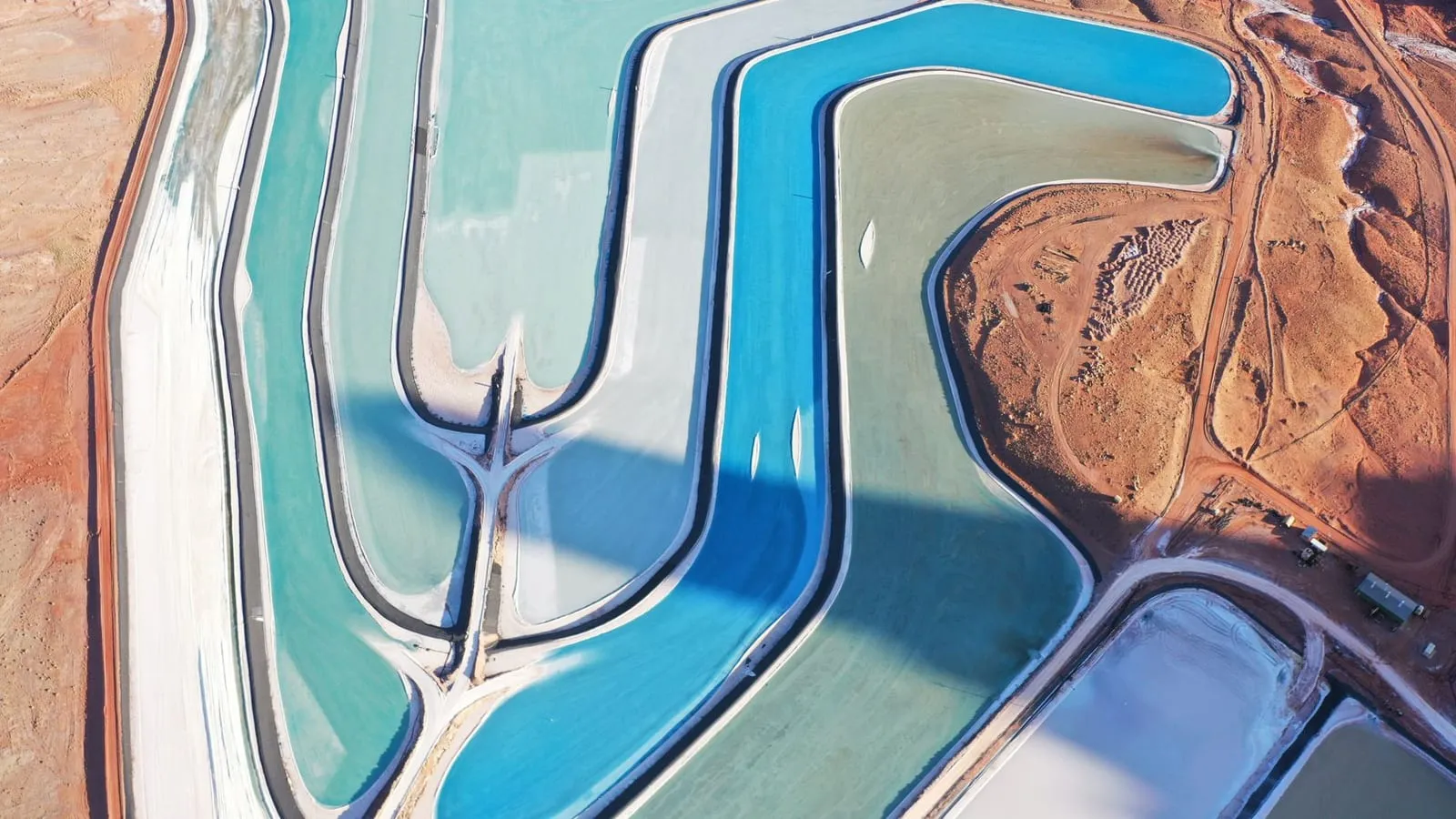
As drought conditions intensify across multiple continents, the struggle to preserve existing freshwater reservoirs is transitioning from a seasonal concern to a permanent management challenge.
This week in water
- Residents on Nantucket are demonstrating inconsistent compliance with water restrictions as the island faces ongoing drought conditions (Nantucket Current).
- In North Carolina, the Eno River is drying up, forcing local municipalities to rely on secondary water sources like University Lake (ABC11 News).
- The City of Salem, Virginia, has issued a request for voluntary water conservation to manage current supply levels (City of Salem, VA (.gov)).
- Western universities are facing scrutiny over their ability to maintain green landscapes despite severe regional droughts (KUNC).
- Conservation pleas are being issued to residents in coastal areas as drought conditions persist (Coastal Review).
- Water shortage restrictions continue to affect communities even as some areas attempt to enter drought recovery phases (The Apopka Voice).
- The Netherlands is facing potential water shortages due to a combination of persistent drought and increased demand (NL Times).
- The Western Virginia Water Authority has begun implementing specific conservation measures for Roanoke and surrounding regions (WSLS).
The systemic challenge of surface loss
The news from North Carolina to the Netherlands highlights a recurring theme: water scarcity is rarely just a matter of lack of rainfall. It is a balance between supply and the rate of loss. When rivers like the Eno dry up or reservoirs reach critical lows, one of the most significant “leaks” in the system is what is evaporation.
Evaporation is a thermodynamic process driven by energy transfer from the atmosphere to the water surface. As the sun heats the water, energy is used to break the molecular bonds of the liquid, turning it into vapor. This process is influenced by several factors, including solar radiation, temperature, humidity, and wind speed. In many drought-prone regions, the combination of high temperatures and low relative humidity creates a high vapor pressure deficit, which effectively “pulls” more moisture out of open water bodies.
For municipal managers in places like Salem or Roanoke, managing the water they already have is as critical as finding new sources. While conservation measures often focus on reducing human consumption—such as limiting lawn watering or industrial use—they do not address the massive volume of water lost to the atmosphere from the very reservoirs intended to serve those populations.
Technical approaches to surface protection
To combat these losses, engineers and water managers look toward methods to reduce evaporation that physically or chemically interrupt the exchange between the water surface and the air. These methods vary significantly in scale, cost, and efficacy.
One common approach is the use of modular floating covers. These systems consist of interlocking tiles or spheres that create a barrier on the water surface. In many field studies, modular covers have shown evaporation reductions of ~65–80% (Mady et al. 2021; Lehmann et al. 2019). For more intensive needs, some manufacturer data suggests higher performance: the Hexprotect® AQUA tiles can provide up to ~95% reduction (AWTT), while the Rhombo Hexoshield® panels can achieve up to ~98% reduction (AWTT). A noted success of such high-performance coverage is the Savannah River Site 281-8H basin, where a Rhombo cover saved approximately 55 million gallons per year (U.S. DOE public record).
However, not all covers are suitable for all environments. For example, shade balls—high-density polyethylene spheres—can provide ~66–75% reduction at roughly 91% coverage (field studies), but they can also impact the underlying water chemistry and ecology. Similarly, continuous geomembrane covers offer a very high seal of ~95%+ (Yao et al. 2021; Craig et al. 2005), but they require significant maintenance regarding buoyancy, anchoring, and the management of accumulated rainwater.
Balancing ecology and efficiency
As universities in the West attempt to maintain green spaces during droughts, the tension between aesthetic “greenness” and water conservation becomes evident. This tension extends to open water management as well. A cover that is too effective at blocking sunlight may inadvertently kill beneficial aquatic life or prevent necessary oxygen exchange.
Biological methods, such as using duckweed or azolla, offer a natural way to shade the surface. While these can be effective in specific regional contexts, they often lack the scalability required for large municipal reservoirs and can be subject to seasonal shifts in growth.
Chemical interventions, specifically chemical monolayers, represent a different trade-off. These thin layers of molecules (typically alcohols like cetyl or stearyl alcohol) can reduce evaporation by ~20–40% (Craig et al. 2005). While they are relatively inexpensive to apply, they are highly sensitive to changes in wind and temperature and require regular reapplication as they degrade, making them less reliable for long-term drought management compared to physical barriers.
Long-term management and infrastructure
The recurring news of water shortages suggests that reactive conservation—asking residents to “do their part” through voluntary measures—is often insufficient when the underlying environmental drivers are so strong. Instead, a transition toward proactive storage management and physical mitigation is becoming necessary.
Infrastructure decisions made today will dictate a community’s resilience for decades. For instance, integrating floating solar can provide a dual benefit: generating renewable energy while simultaneously reducing the surface area exposed to the sun, thereby lowering evaporation. While the capital cost is higher than simple covers, the combined value of power generation and water preservation offers a compelling economic case for long-term drought planning.
Ultimately, addressing the water crisis requires moving beyond simple consumption limits. It requires a sophisticated understanding of the energy budget at the water surface and the implementation of physical barriers that can withstand the increasing extremes of our changing climate. Whether it is through high-performance modular covers or improved reservoir design, the goal remains the same: keeping as much water in the reservoir as possible to ensure that when the next drought hits, the supply is still there.
Frequently asked questions
- How much evaporation can be prevented by floating covers?
- Modular floating covers can achieve reductions of ~65–80% in field studies (Mady et al. 2021), while specialized products like Rhombo Hexoshield can reach up to 98% (AWTT).
- Are chemical monolayers an effective long-term solution?
- Chemical monolayers typically reduce evaporation by ~20–40% (Craig et al. 2005), but they are sensitive to wind and temperature and require frequent reapplication.