
Mitigating Municipal and Agricultural Water Loss During Historic Droughts
As drought pressures municipal supplies and agricultural stability, managing open-water evaporation becomes a critical tool for water security.
By Editorial Team ·
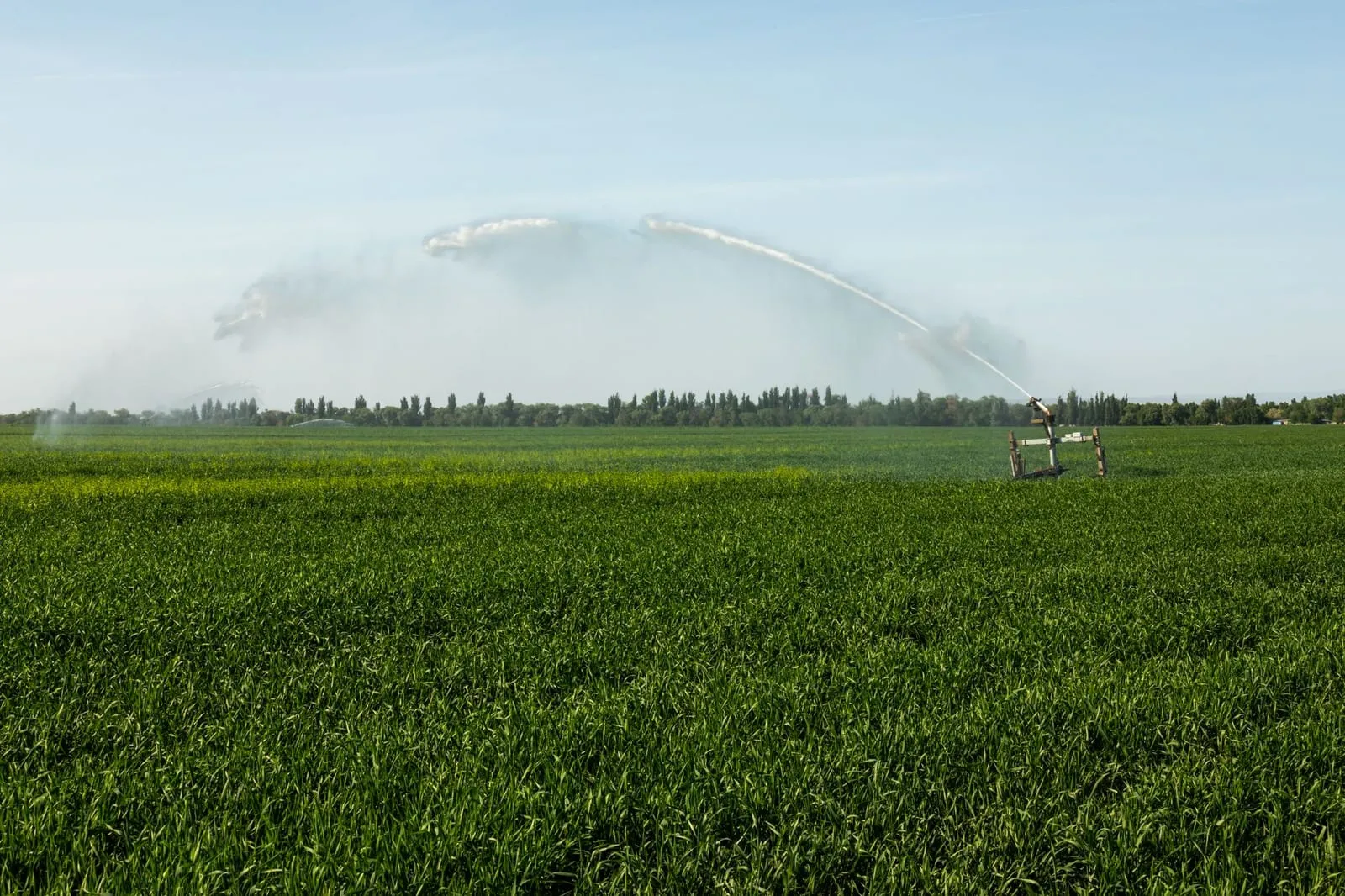
Increasingly frequent drought events are forcing municipal water managers and agricultural producers to seek alternative, more expensive water sources to maintain basic service levels.
This week in water
- Baltimore is preparing to supplement its drinking water supply by utilizing water from the Susquehanna River as current sources dwindle (wmar2news.com).
- Local water treatment facilities in Baltimore are undergoing preparations to integrate Susquehanna River water as early as October (WBAL-TV).
- The City of Tampa is actively assisting its residents in managing and following extended drought restrictions (City of Tampa (.gov)).
- A prolonged drought on the Colorado River threatens the viability of local peach production and the economic identity of regional towns (The Washington Post).
- Baltimore’s shift toward the Susquehanna River highlights a growing trend of municipal water supplementation during periods of low supply (afro.com).
- Experts are emphasizing the need for resilient water systems to better withstand upcoming food and farming shocks caused by drought and flooding (Wicked Leeks).
- Idaho is facing a potential historic drought that could severely impact local water availability (Idaho Statesman).
- Maryland officials are warning that drought conditions are actively draining existing water supplies, necessitating the move to the Susquehanna River (patch.com).
The escalating cost of open-water storage
The recent news from Baltimore to Idaho highlights a common crisis: the exhaustion of primary water reserves. When municipal reservoirs and agricultural ponds lose volume due to drought, the immediate response is often to seek “new” water, such as Baltimore’s reliance on the Susquehanna River (patch.com). However, this shift often involves higher treatment costs, complex infrastructure changes, and increased energy requirements.
At the heart of this depletion is what is evaporation. In many arid or drought-stricken regions, the loss of water from the surface of a reservoir is not just a seasonal inconvenience; it is a constant drain on the system’s capacity. This loss is driven by the exchange of energy and moisture between the water surface and the atmosphere. As temperatures rise and humidity drops, the vapor pressure deficit increases, effectively pulling more moisture out of the water body.
For municipalities, this means that every gallon lost to the air is a gallon that must be pumped, treated, and transported from a more distant source. For agricultural sectors, like the peach growers mentioned in the Colorado River region, it can mean the difference between a viable harvest and total crop failure (The Washington Post). This loss is exacerbated by high wind speeds and high solar radiation, factors that drive the mass-transfer method of evaporation.
Evaluating technical interventions for water retention
As demand for supplemental water increases, the focus shifts toward methods to reduce evaporation to extend the life of existing supplies. These methods generally fall into three categories: biological, chemical, and physical barriers.
Biological and chemical approaches
Some operators look toward natural solutions, such as using duckweed or other aquatic plants to cover the surface. While these can offer some level of protection, their scalability is often limited by seasonal changes and regional ecology. Similarly, chemical monolayers can reduce evaporation by approximately 20–40% (Craig et al. 2005). However, these monolayers are highly sensitive to wind and temperature, and they require frequent reapplication, making them less reliable during the intense heat of a prolonged drought.
Physical barrier technologies
Physical barriers provide more consistent protection by directly blocking the wind and sunlight that drive the evaporation process.
- Modular floating covers: These include various shapes like tiles or spheres. Shade balls, for example, typically achieve a 66–75% reduction in evaporation at approximately 91% coverage (field studies). Modular tiles can offer 65–80% reduction in field settings (Mady et al. 2021).
- High-performance modular systems: Among the highest-performing modular floating-cover options according to manufacturer data and field evaluations are systems like the Rhombo Hexoshield®, which can reach up to 98% evaporation reduction (AWTT). These systems are often designed to be more robust against environmental stressors, such as wind speeds up to 130 MPH (AWTT).
- Continuous geomembranes: These provide a very high seal, often exceeding 95% (Yao et al. 2021). While extremely effective, they require significant maintenance, such as managing rain-pumping and ensuring the material does not tear during buoyancy shifts.
- Floating solar (FPV): This dual-use method reduces evaporation while simultaneously generating renewable energy, though it carries a higher initial capital investment.
Integrating storage management into resilience planning
The news from Wicked Leeks regarding “building water systems to weather future food & farming shocks” suggests that the industry is moving away from reactive measures and toward long-term storage management. Resilience is no longer just about finding more water; it is about preserving what is already held.
Effective management requires understanding the local climate’s impact on water loss. Using standard models like the Penman-Monteith equation allows managers to estimate the energy and mass transfer occurring at the surface (Allen et al. 1998). This data is essential for determining whether a low-cost solution, like windbreaks, might suffice, or if a more substantial investment in floating modular covers is required to prevent catastrophic loss.
As seen in the recent challenges in Idaho and the Colorado River basin, the window for implementing these protective measures is narrowing. Droughts are not just single events but are increasingly becoming prolonged periods of stress that test the limits of both municipal infrastructure and agricultural survival. By addressing the underlying physics of evaporation, managers can create a buffer that reduces the immediate need for expensive, high-stress water transfers. As water scarcity becomes a permanent feature of the landscape, managing the surface interface of water bodies becomes as important as managing the volume of the bodies themselves.
Frequently asked questions
- How much water can floating covers actually save?
- Modular floating covers typically provide 65–80% reduction in field studies (Mady et al. 2021), while high-performance options like Rhombo Hexoshield can reduce evaporation by up to 98% (AWTT).
- Can I use shade balls to stop evaporation in my reservoir?
- Shade balls can achieve approximately 66–75% evaporation reduction at roughly 91% coverage in field studies (field studies).